When you’re planning your home EV charger installation, one of the key decisions you’ll face is whether to choose a tethered or untethered unit. It might seem like a minor detail, but this choice affects your daily charging experience for years to come.
Both options work perfectly well for charging your electric vehicle, and there’s no universally “correct” answer—the best choice depends on your specific circumstances, preferences, and how you use your EV.
Let’s break down exactly what these terms mean, explore the advantages and drawbacks of each option, and help you decide which type suits your needs.
What’s the Difference?
The distinction is straightforward:
Tethered chargers come with a charging cable permanently attached to the unit. The cable is typically 5-7 metres long and stays connected to the charger when not in use, coiled up or hanging in a holder. When you need to charge, you simply pull out the cable and plug it into your car.
Untethered chargers have just a socket (similar to a large outdoor power socket). You use your car’s own charging cable, which you’ll need to fetch from your boot, plug into the charger, then plug into your car.
Think of it like the difference between a corded phone permanently attached to the wall versus a phone with a removable cable—both make calls, but the user experience differs.
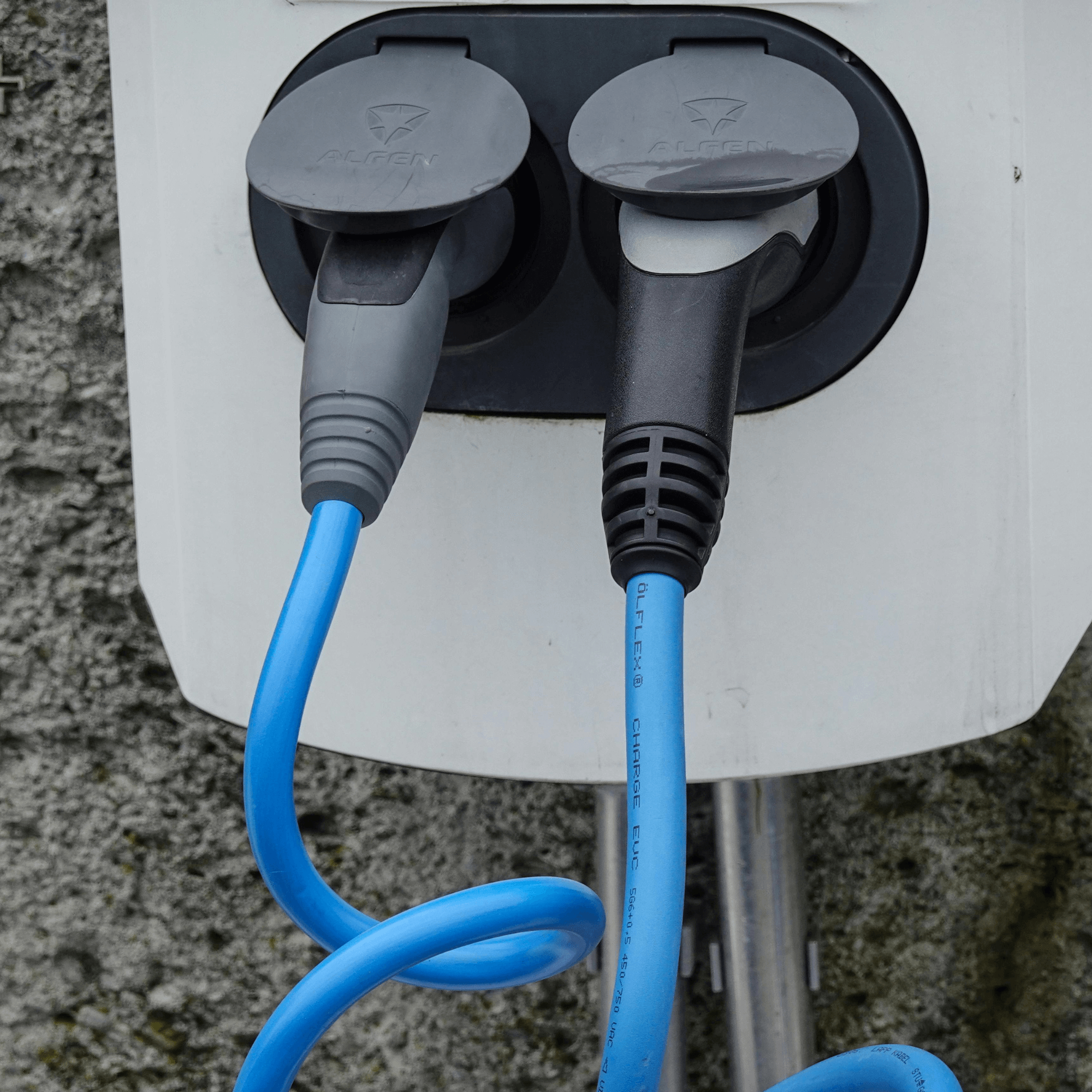
Tethered Chargers: The Convenience Choice
For most homeowners, tethered chargers are the popular option, and it’s easy to understand why.
The Advantages of Tethered Chargers
Ultimate convenience is the main draw. You arrive home, pull the cable from the charger, plug it into your car, and you’re done. No need to open the boot, wrestle with a cable, or think about it at all. This might sound trivial, but when you’re arriving home in the dark, in the rain, with shopping bags in hand, that simplicity genuinely matters.
Better cable protection helps your charging cable last longer. The cable stays secured in the charger’s holster when not in use, protected from the elements and off the ground. This keeps it cleaner, prevents damage from being driven over or tripped on, and generally extends its lifespan.
Longer cable length is another practical benefit. Tethered cables are typically 5-7 metres long, whereas the portable cables that come with most EVs are often only 4-5 metres. That extra length can make the difference between reaching your charging port comfortably or having to park at an awkward angle.
One less thing to forget might seem minor, but some EV owners have experienced the frustration of arriving somewhere only to realize they left their charging cable at home or at a previous charging location. With a tethered home charger, your cable is always where it should be.
Cleaner appearance appeals to many homeowners. The cable is neatly stored away rather than trailing across your driveway or sitting in your boot.
The Drawbacks of Tethered Chargers
Higher upfront cost is the first consideration. Tethered units typically cost £100-£200 more than equivalent untethered chargers. The cable adds material cost and the unit needs to include cable management features.
Cable degradation over time is inevitable. Cables exposed to British weather—rain, frost, UV exposure—will eventually show wear. While good quality cables are robust and designed for outdoor use, they won’t last forever. If the cable fails, you’re looking at a replacement cost of £150-£300, and some manufacturers won’t sell replacement cables separately, meaning you might need to replace the entire unit.
Weather sensitivity affects usability in winter months. Cables can become stiff in freezing temperatures, making them awkward to handle and coil back up. In very cold conditions, you might find yourself wrestling with a rigid cable that doesn’t want to cooperate.
Fixed connector type means you’re committed to one plug standard. Most new EVs in the UK use Type 2 connectors, but if you have an older EV with a Type 1 socket or you’re planning to buy a different vehicle in the future, you’ll need to ensure compatibility. If you later buy an EV with a different connector, you’ll need an adapter or a new charger.
Trip hazard potential exists if you need to stretch the cable across a shared driveway or pavement to reach your car. While cable management systems can help, this is worth considering in your setup.
Untethered Chargers: The Flexible Option
Untethered chargers offer a different set of benefits that make them the right choice for certain situations.
The Advantages of Untethered Chargers
Lower cost is immediately appealing. Untethered units are typically £100-£200 cheaper than tethered equivalents, and that saving might be better spent on upgrading to a smarter charger or a more powerful model.
Greater flexibility with multiple vehicles is a significant advantage. If you have two EVs in your household with different connector types, or if you regularly switch between vehicles, one untethered charger can serve them all. You simply use the appropriate cable for whichever car needs charging.
Future-proofing is easier with untethered chargers. If you change your vehicle to one with a different connector type, you just need a new cable rather than a new charger. While most modern EVs use Type 2 connectors, charging standards do evolve, and having the flexibility to adapt is valuable.
Easy cable replacement when needed is straightforward and relatively inexpensive. If your cable becomes damaged or worn, replacement cables cost £80-£150, and you can buy them from various suppliers—you’re not locked into a specific manufacturer.
Less weather exposure affects the cable since it lives in your boot most of the time rather than permanently outdoors. This can extend cable life, particularly in harsh weather conditions.
Neater wall appearance appeals to some homeowners. The charger unit itself is more compact without an attached cable, and some people prefer the cleaner look of just a socket on the wall.
The Drawbacks of Untethered Chargers
Extra hassle every time you charge is the main inconvenience. You need to open your boot, get the cable out, plug one end into the charger, plug the other end into your car, then reverse the process when you’re done and store the cable back in your boot. In fair weather during daylight this is trivial, but in the dark and rain after a long day, it becomes noticeably less pleasant.
Shorter cable length is typical. Most EV-supplied cables are 4-5 metres, compared to 6-7 metres for many tethered chargers. Depending on where your charger is mounted and where you park, this might require more precise parking or prove insufficient.
Boot space occupied by the charging cable matters if you have a smaller EV or regularly carry a lot of cargo. The cable isn’t huge, but it does take up space that you might prefer to use for something else.
Dirt and cleanliness issues arise because you’re handling a cable that’s been lying on your driveway or garage floor. In wet or muddy conditions, that cable then goes back in your boot, potentially transferring dirt to your car’s interior.
Forgetting your cable is a real risk. If you take your cable to charge elsewhere and forget to bring it home, or if a family member borrows the car and leaves the cable at work, you can’t charge at home until it’s returned.
Security consideration exists—though minor—that someone could potentially unplug your cable and take it while you’re not looking. This is rare, but it’s technically possible in a way it isn’t with a tethered unit that’s permanently fixed.
Which Type Should You Choose?
The right choice depends on your specific situation. Here’s how to decide:
Choose Tethered If…
You have one EV with a Type 2 connector (the current UK standard). If you’re not planning to regularly charge multiple different vehicles, the convenience of tethered charging outweighs the extra cost.
Convenience is your priority. If you want the simplest possible charging experience and don’t want to think about cables at all, tethered is the way to go.
You charge in difficult conditions regularly—poor lighting, bad weather, or after long commutes when you’re tired. The ability to just grab and plug makes a real difference.
You have an accessible parking spot close to your charger. If the cable can easily reach your car without crossing paths or creating hazards, tethered works beautifully.
You’re not particularly price-sensitive. The extra £100-£200 buys you daily convenience that adds up to hours of saved time and hassle over years of ownership.
Choose Untethered If…
You have multiple EVs in your household, especially if they have different connector types. One untethered charger with different cables serves all your vehicles.
You’re on a tighter budget. The £100-£200 saving is meaningful, and you can always buy a longer aftermarket cable if needed for less than the tethered premium.
You want maximum flexibility for future vehicle changes. If you’re uncertain about your long-term EV plans or expect to change vehicles frequently, untethered gives you more adaptability.
You have a compact parking area where a permanently attached cable might create obstacles or trip hazards for others.
You don’t mind the extra steps. If handling cables doesn’t bother you—perhaps you’re used to charging at public chargers or you’re generally comfortable with a bit of manual setup—untethered works fine.
You frequently use your cable elsewhere. If you regularly charge at friends’ houses, at work using a socket rather than a dedicated charger, or at other locations, you’re already carrying your cable around, so untethered at home makes sense.
What Most People Choose
In practice, the majority of UK homeowners—probably around 70-80%—opt for tethered chargers. The convenience factor wins out for most people, particularly those who are making their first move from petrol or diesel to electric vehicles.
However, untethered chargers make perfect sense for certain households, and they’re becoming more popular as people recognize the flexibility benefits, especially in multi-EV households.
Can You Change Your Mind Later?
If you install a tethered charger and later wish you’d gone untethered, you’d need to replace the entire unit, as you can’t simply remove the cable from most models.
Converting from untethered to tethered is even more expensive—you’d need to buy a completely new unit.
That said, some manufacturers offer both tethered and untethered versions of the same charger model at similar price points, making it easier to choose the version that suits you without compromising on features or quality.
The Practical Middle Ground
Some EV owners find a compromise that works well: install an untethered charger but keep a dedicated charging cable (separate from your car’s cable) permanently with the charger.
You can buy a good quality Type 2 charging cable for £80-£150 and leave it near your charger or in your garage. This gives you the convenience of tethered charging at home (because you always have a cable there) while maintaining the flexibility of untethered for different vehicles or future changes.
The cable doesn’t benefit from the same weather protection as a tethered unit’s integrated cable management, but if you store it in a garage or keep it in a weather-resistant bag, this works well.
Other Factors to Consider
Beyond the tethered versus untethered decision, remember to think about:
Cable length requirements—measure the distance from your charger location to your car’s charging port to ensure adequate reach.
Charging speed—whether you choose tethered or untethered, you still need to decide between 7kW, 11kW, or 22kW charging speeds based on your car and electrical supply.
Smart features—app control, scheduled charging, and energy monitoring are available in both tethered and untethered models, so this shouldn’t influence your decision.
Brand and warranty—choose a reputable manufacturer with good warranty terms regardless of cable configuration.
The Bottom Line
There’s no wrong choice between tethered and untethered EV chargers—both will charge your car safely and effectively. The decision comes down to whether you prioritize daily convenience (tethered) or flexibility and cost savings (untethered).
For most single-EV households where the vehicle has a Type 2 connector and budget isn’t extremely tight, tethered chargers offer the better day-to-day experience. The extra cost is modest compared to the overall investment in an EV and home charging setup, and the convenience pays dividends every single time you charge.
However, if you have multiple EVs, value flexibility, or simply prefer to save money upfront, untethered chargers are an excellent choice that will serve you just as well with only a small amount of extra effort.
Whichever you choose, make sure to discuss your specific circumstances with your installer. They’ll have experience with hundreds of installations and can offer practical advice based on your parking arrangement, usage patterns, and long-term plans.
Need help deciding which charger is right for your home? Local EV’s certified installers can assess your property, discuss your needs, and recommend the best solution—whether tethered or untethered—to suit your circumstances and budget. Get in touch for a free, no-obligation consultation.